Three Questions to Ask Before Launching a Data Collection Project
The first step in a factory's digital transformation is collecting equipment data, yet many customers get stuck right at this starting line.
The vast majority of failed data collection projects do not fail due to insufficient technical capability, but due to a lack of clear planning. A comprehensively designed plan on paper often runs into frequent problems during implementation, resulting in wasted budget and unmet objectives.
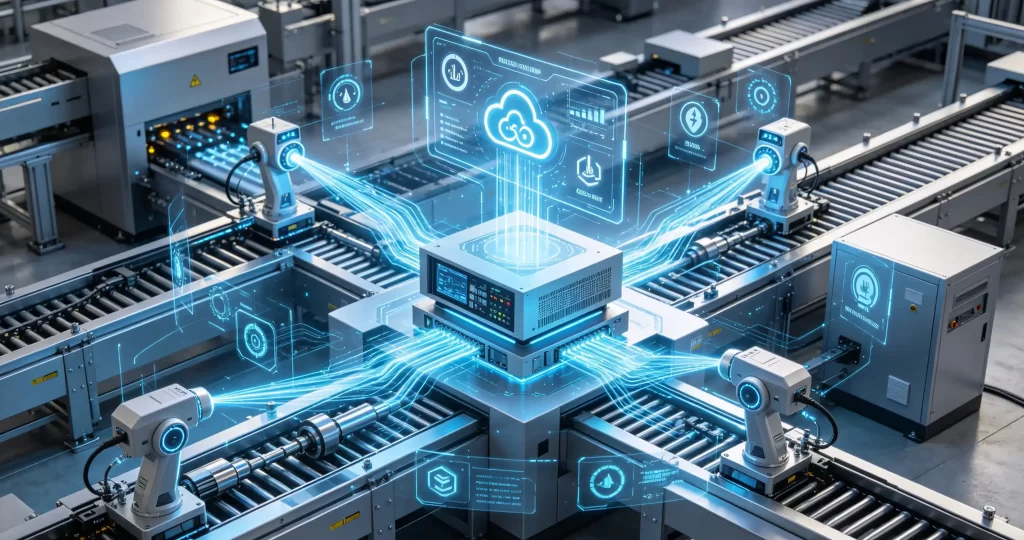
Before finalizing a data collection solution and selecting equipment, it is worth clarifying these three questions first.
Question 1: Why do you need data collection?
Many enterprises hold a misconception: the more data collected, the better. This ends up generating massive amounts of invalid and redundant data, which not only occupies storage and strains network bandwidth, but also interferes with subsequent data analysis.
The purpose of data collection is to solve production pain points, not simply to accumulate data. If you need fault warning, focus on collecting equipment operating parameters, anomaly thresholds and alarm data; if you want to improve production efficiency, prioritize runtime duration, production cycle and output data; if you aim for energy saving and cost reduction, core metrics come from electricity meters, gas meters and equipment operating power.
The core of a high-quality data collection solution is demand-driven collection that serves business objectives. Deriving collection requirements from business scenarios, and defining monitoring points, frequency and precision accordingly, is the key to efficient implementation.
Question 2: Can it handle complex industrial conditions?
Industrial sites are far from clean and tidy data centers: high temperatures, humidity, dust, electromagnetic interference, unstable networks, mixed equipment brands, inconsistent protocols — any single variable can cause frequent disconnections and data packet loss in the collection system.
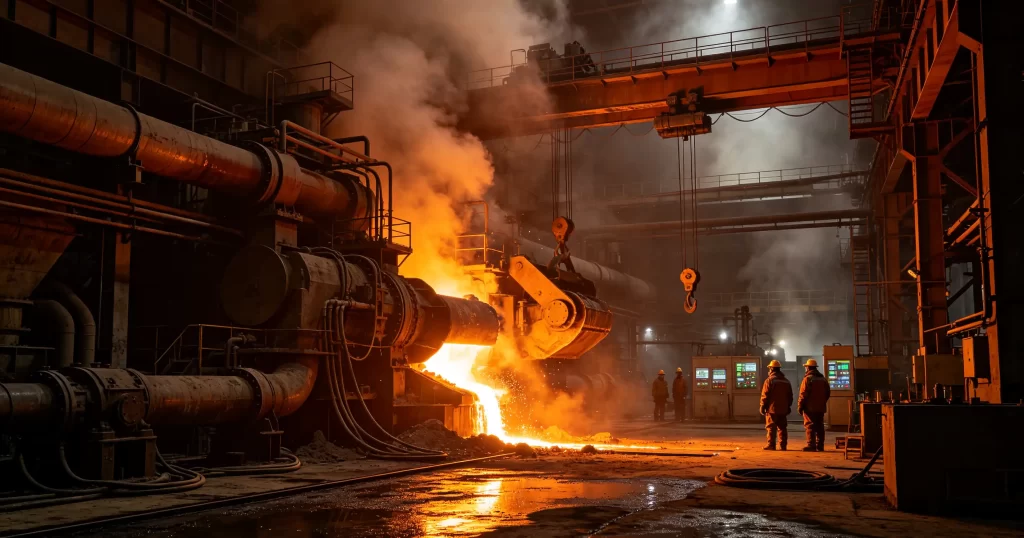
Many solutions only evaluate whether data can be collected, but ignore whether it can be collected stably. A reliable collection solution must address at least three aspects:
Protocol compatibility: On-site equipment comes from various brands, spans different generations, and uses diverse protocols. Choosing an industrial gateway with native multi-protocol support enables one device to handle access to multiple types of equipment.
Environmental adaptability: Gateway hardware must be designed for wide temperature and voltage ranges, electromagnetic interference resistance, and surge protection to adapt to harsh working conditions, delivering stable 24/7 operation across workshops, outdoor sites, pumping stations and other scenarios.
Network fault tolerance: Network fluctuations are normal on site. The system needs real-time link health monitoring, seamless automatic switching between primary and backup networking methods, local data caching during outages, and automatic retransmission after recovery — all to ensure data integrity.
For industrial data collection, stability always outweighs speed.
Question 3: How high are the hidden costs?
Many enterprises only consider hardware procurement costs when budgeting, while ignoring hidden costs — a major reason why many projects fail to sustain.
A truly cost-effective solution must feature lightweight deployment and remote O&M. For example:
Visual configuration: Gateways come with built-in standardized protocol drivers, and configuration is done via checkboxes on the platform's visual interface, enabling quick onboarding even without professional expertise.
Remote O&M: Through the supporting platform, users can check gateway status, modify configurations, troubleshoot faults and upgrade firmware remotely, eliminating the need for on-site visits every time.
Flexible scaling: Adding new equipment only requires adding points in the backend, with plug-and-play functionality and no repeated commissioning processes.
Digital transformation is not a one-time investment. Beyond procurement costs, the total cost of ownership (TCO) over the full lifecycle deserves more attention.
Closing Remarks
Equipment data collection is the foundation of factory digitalization. Without a solid foundation, subsequent data analysis, intelligent O&M and lean production are nothing but empty talk. Choosing the right solution enables equipment data to deliver real value and help enterprises achieve higher quality and efficiency in digital transformation.
If your factory is also facing challenges in equipment data collection and unsure about equipment selection or solution planning, please feel free to contact us.