The Second Half of Globalization: Remote O&M Emerge as a New Solution for Enterprises Expanding Overseas
As global competition enters its second half, how can Chinese manufacturing enterprises respond to shifting demands and new challenges?

For industrial customers, the downtime of a single core piece of equipment can cause losses of tens of thousands of dollars per hour. For this reason, at the 2026 Canton Fair, multiple overseas buyers stated plainly that they would rather accept a slightly higher purchase price than choose suppliers with sluggish after-sales response and long problem resolution cycles.
This shift in demand is forcing Chinese manufacturing enterprises to re-evaluate their overseas expansion strategies: product quality and price alone can no longer meet the requirements of overseas markets, and service capabilities are becoming a new competitive barrier.
Traditional Dilemmas: Four Major Pain Points of Cross-border O&M
For a long time, the overseas after-sales service of Chinese manufacturing enterprises has mostly relied on the traditional O&M model of "on-site engineer visits". However, as market demands change, the drawbacks of this model are constantly amplifying, restricting the overseas business expansion of Chinese enterprises.
Slow Response Speed
When equipment malfunctions for overseas customers, it often takes domestic engineers several days to half a month to process visas, take long-haul flights and arrive on site, leaving customers with huge production losses.
High Cost Pressure
A single cross-border after-sales service can easily cost tens of thousands of RMB in travel expenses and subsidies. Some enterprises have even set up overseas service outlets with local engineers to cover the global market, representing an even greater investment.
Mismatch of Talent Resources
Under the traditional model, senior engineers spend a great deal of time traveling overseas only to solve basic issues. This is not only a huge waste of labor costs, but also prevents enterprises from efficiently deploying their premium technical resources to serve more customers.
Difficult Cross-regional Collaboration
Language differences lead to information distortion and reduce troubleshooting efficiency. Time differences further prevent real-time responses to many issues, which may even have to wait until the next workday, severely disrupting production schedules.
Precisely because of these pain points, even enterprises with excellent products struggle to win customers in high-end markets and build brand reputation if they cannot provide efficient after-sales service.
The Breakthrough Solution: Remote O&M Redefines Global Service
Driven by the development of technologies such as the Industrial Internet, 5G, AI and AR, the remote O&M model is becoming a key tool for Chinese enterprises to bridge the "last mile" of global services. It allows Chinese engineers to connect directly to equipment worldwide without leaving their offices, checking equipment operating status, troubleshooting faults, and even modifying parameters and upgrading programs in real time, just as if they were on site.
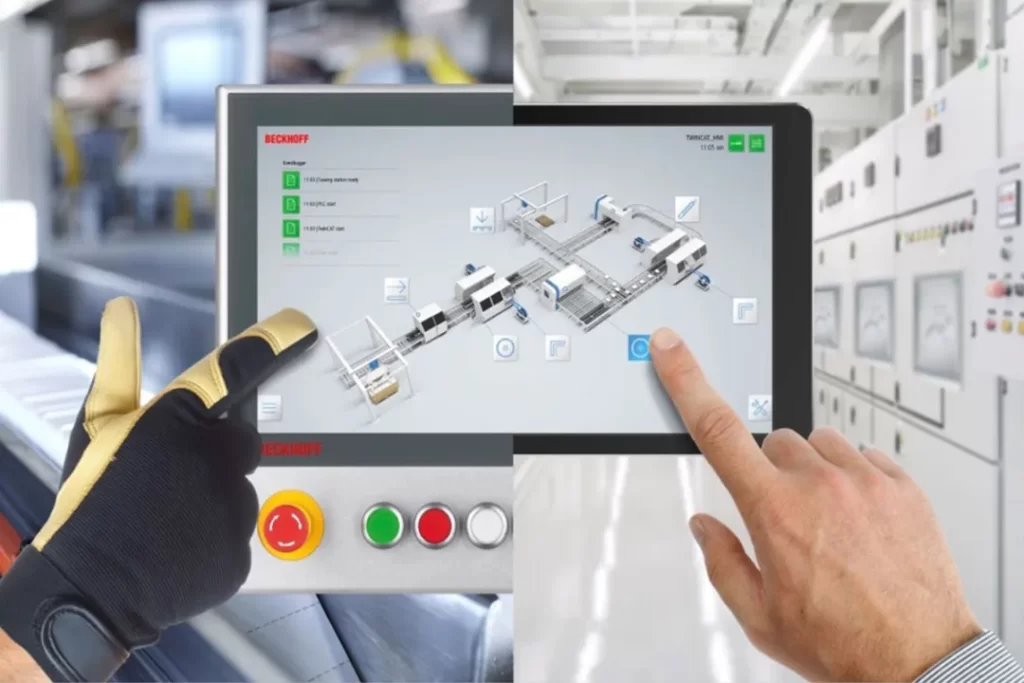
The changes brought by this model are transformative.
First, improved after-sales efficiency. According to industry research data, for overseas enterprises that have deployed remote O&M systems, the Mean Time To Recovery (MTTR) has been reduced from dozens of minutes or even days to just a few minutes. Cross-border faults that previously took weeks to resolve can now be troubleshooted in hours or even minutes.
Second, significantly optimized costs. Remote O&M enables over 90% of maintenance tasks to be completed via the cloud. Data from equipment manufacturing enterprises shows that travel expenses alone can be reduced by more than 500,000 RMB per year. In addition, a single senior engineer can now serve hundreds of devices worldwide simultaneously, multiplying labor efficiency by several times.
However, the value of remote O&M goes far beyond cost reduction and efficiency improvement.
In the past, after-sales service was a cost-based supporting service for product sales. Now, through remote O&M, enterprises can provide customers with more high-value paid after-sales services, such as predictive maintenance based on equipment operation data, which helps customers avoid unplanned downtime through early warnings.
Some enterprises have also launched brand-new business models through remote O&M, such as "pay by equipment availability": customers do not need to purchase equipment outright, but pay based on actual operating hours and output efficiency. Enterprises ensure stable equipment operation through remote O&M, while customers do not bear the risk of equipment maintenance. This model changes the profit logic of enterprises, making service itself a new source of revenue.
Future Trend: Service Going Global to Build a New Image of Made in China
In 2026, the market size of remote O&M for Industrial Internet equipment in China is expected to exceed 100 billion RMB, with a compound annual growth rate of over 25%. Behind these figures, a growing number of overseas enterprises are embracing remote O&M technology.
From the perspective of industry development trends, remote O&M is also evolving from simple remote troubleshooting to a smarter and more comprehensive direction. The integration of AI and remote O&M is driving fault diagnosis to shift from rule-driven to data-driven, making predictive maintenance increasingly accurate. AR technology makes remote collaboration more intuitive, allowing engineers to directly guide overseas customers through complex maintenance operations via AR annotations.
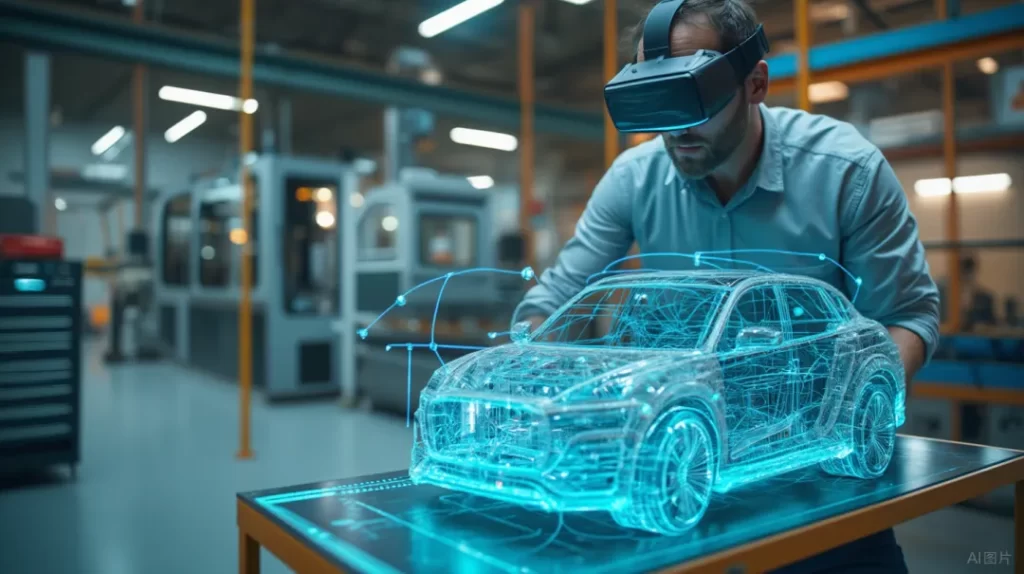
Against the backdrop of globalized manufacturing operations, developing service-oriented manufacturing centered on remote O&M is an important path for manufacturing enterprises to transform and upgrade, and also a key strategy for the second half of Made in China's overseas expansion. We no longer merely sell products to the world, but also bring services to the world; we no longer win the market through low prices, but earn respect through value.
Remote O&M technology will serve as a sharp competitive tool for Made in China, helping us redefine our competitiveness in the global market and build a new global image for Chinese manufacturing.